To listen to today’s reflection as a podcast, click here
If you’ve been a Morning Reflections reader for a few years, you know that on Ash Wednesday we typically use a Q&A format to address some of the questions associated with this first day of Lent. What’s different this year? Check out the section below that deals with the special topic we’ll be pursuing between now and Easter.
What exactly is Lent?
The word comes from the Old English term for “lengthen.” As Easter approaches, the amount of daylight grows longer.
More than a thousand years ago, followers of Jesus began to set aside the 40 days before Easter as a kind of annual spiritual journey – an opportunity to reconnect with God in specific ways. This reflects the 40 days that Jesus himself spent in the wilderness, fasting and praying, just before the start of his public ministry.
This year Easter is April 5. If you do the math, you’ll discover there are actually 46 days between February 18 and the first Sunday in April. The six “extra” days represent the six Sundays during Lent. Some Christians treat these Sundays as “little Easters” – rest stops on the journey in which some folks choose to step back, for 24 hours, from their Lenten commitments.
By Lenten commitment, do you mean giving something up?
Yes, a number of people choose to give up something for Lent. Think of taking something out of your backpack before beginning a 40-day hike. “I choose not to carry this around with me for the next six weeks.”
During the Middle Ages it was common for Christians to give up meat, sugar, eggs, and butter throughout Lent. Nowadays it’s more typical for Westerners to surrender one of those things that can so easily become addictive – perhaps soda, coffee, alcohol, cigarettes, television, social media, or video games. It doesn’t take much for us to realize that these are probably things we could and should surrender for far longer than 40 days.
Can Lent also be a time to “take on” a new habit or practice?
Absolutely. The balance, in fact, is quite healthy. Just as we leave something behind on this spiritual journey, we also pick up a new perspective or behavior or commitment.
For you that might be an accelerated pattern of personal prayer or Bible reading. It could mean writing a daily thank-you note to 40 different people or choosing to offer a special word of encouragement to someone every day. It might mean pursuing a specific plan to serve the poor or to help bring justice to someone who is oppressed. The options are endless.
Will the Morning Reflections have a special Lenten focus this year?
Yes. Our plan is to go word for word and line by line through the Apostles’ Creed – one of the church’s earliest expressions of what it means to trust Jesus.
What if you were asked to summarize Christian theology in 107 words? The Apostles’ Creed does just that in three primary sections – highlighting God the Father, Jesus Christ, and the Holy Spirit – adding crucial statements about the church, forgiveness, judgment, and our future life with God.
After some introductory reflections this week (asking questions like, why exactly do we need a creed if we have a Bible?), we’ll devote each of our 30 remaining Lenten reflections to examining a single word or phrase, right up to Good Friday.
It will be a joy to pursue this six-and-a-half-week journey with you.
But isn’t Lent just for Catholics and Episcopalians?
In truth, these special days are celebrated across the entire Christian denominational spectrum. But since they got traction during the Middle Ages, their association with Catholicism and the Church of England has been particularly long and strong.
What do the ashes mean?
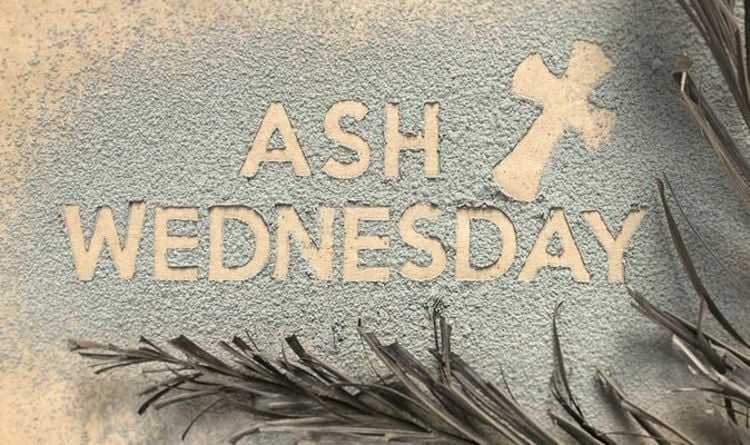
Many followers of Jesus smear ashes on their foreheads in the shape of the cross on this first day of Lent. This tradition reflects a number of images from Scripture.
There we learn that life is fragile (“ashes to ashes and dust to dust”). We recall the ashes of incinerated sacrifices: our surrender of something we count valuable in order to gain something even more valuable – a heart that is turned toward God. And we remember that people in Bible times, in order to express extreme anguish over the condition of their souls, would sometimes sit in sackcloth and ashes. For many Christians, Lent is an annual season of repentance – thinking soberly about our lives and resolving to pursue the Lord will greater diligence.
One poignant Catholic tradition is to incinerate the palm leaves used in the prior year’s Palm Sunday service, and to keep them for use on Ash Wednesday.
This day is essentially a time to remember not only that life can be hard, but that it’s really hard to try living apart from a relationship with God.
What if I completely blow my Lenten commitments?
As we point out each year, you won’t be the first person. Or the last.
Always remember: God won’t love you more if you think you “succeed” in following him. And God won’t love you less if you fall flat on your face.
What comes, after all, at the end of the season of Lent? We arrive at the cross, where Jesus died for our sins and failures.
And then comes Easter with its assurance that the worst thing that ever happened to the best Person who ever lived will ultimately bring about the best things that can ever happen to us.